Soaring Oil Prices: Analyzing the Current Crisis
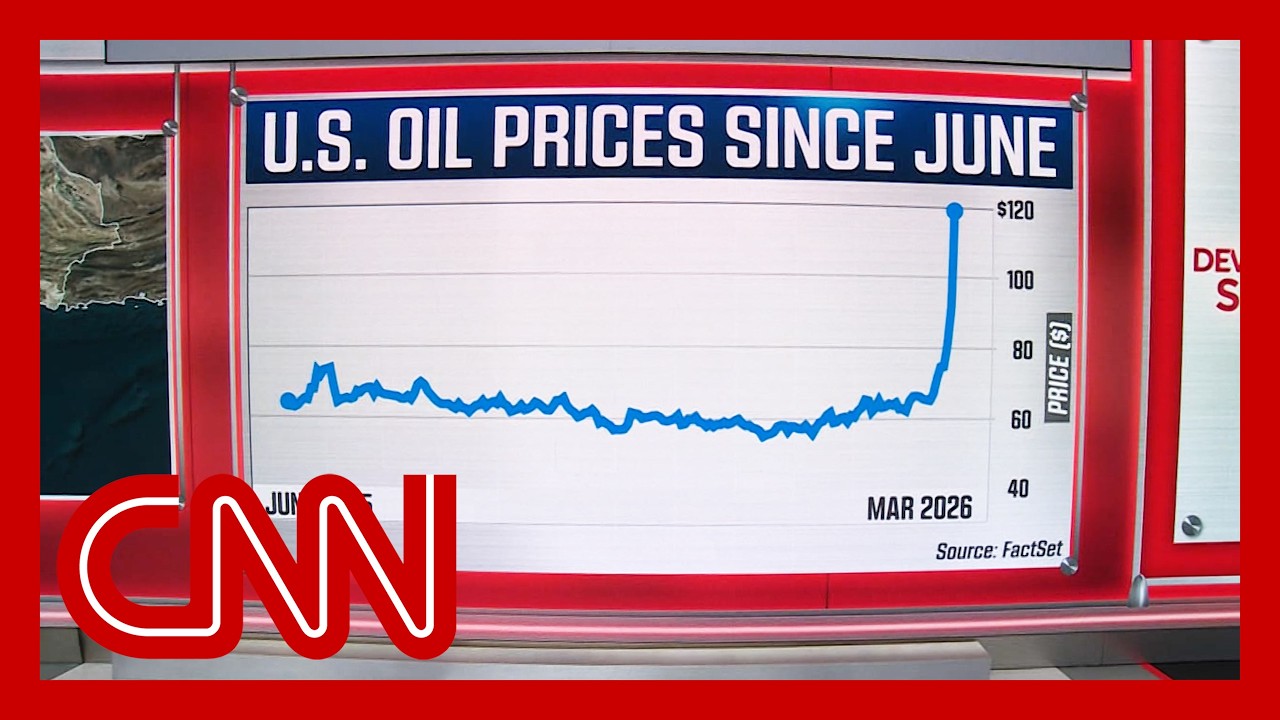
Oil prices are on a steep upward trajectory, with West Texas Intermediate (WTI) recently hovering around $100 per barrel. This marks a significant spike reminiscent of June 2022, shortly after Russia invaded Ukraine. The data illustrates a concerning trend, especially in the last two weeks, where prices have jumped almost vertically. Experts warn that if the flow of oil through the Strait of Hormuz does not resume, we might see prices reach as high as $150 per barrel by the end of March.
The Strait of Hormuz, a mere 20-mile stretch of water between Iran and Oman, serves as a crucial artery for global oil transportation. Currently, this vital shipping route has been effectively closed, impacting the supply chain in unprecedented ways. The U.S. administration has reacted with a sense of gravity—President Biden has downplayed the rise in oil prices, framing it as a small price to pay for global safety and peace. However, the implications of this pricing surge are anything but minor.
According to CNN’s financial correspondent, Matt Egan, the recent spike has been staggering, registering more than a 10% increase overnight. The oil market, known for its volatility, is experiencing what can only be described as a historic escalation. Just nine months prior, gas prices were relatively stable. Before the current conflict escalated, oil traded at around $67 per barrel. A few days ago, prices soared to $119 overnight, only to retract slightly to just over $100. While some may consider these fluctuations a blip, the consequences beg further scrutiny.
The sharp increase in oil prices is primarily attributed to the disruption of supply chains stemming from the conflicts in the Middle East. Producers in the region face storage issues; they are nearing capacity and are consequently compelled to cut production. This is not an isolated issue—gas prices reflecting the $100 benchmark for crude oil have risen dramatically from $2.98 to $3.48 per gallon within a matter of days, marking the highest level since August 2024.
Moreover, aviation fuel prices have surged, prompting concerns from airline executives about increased airfare rates. Diesel prices present an even graver issue, rising by 24%, which poses a significant burden on industries reliant on this crucial fuel—agriculture, transportation, and other sectors dependent on diesel are bound to face rising costs that consumers will also bear.
The White House has characterized this spike as a short-term aberration, but the key question remains: how long will this last? If the high prices persist for weeks or months, there is a genuine risk of triggering a recession. Initially, U.S. stock futures showed minor declines, reflecting a cautious market response. However, there was a palpable sense of panic amid the unprecedented price fluctuations, emphasizing the market’s sensitivity to geopolitical tensions.
The situation was exacerbated by a recent drone attack in Bahrain, targeting civilian energy infrastructure and injuring numerous individuals. Such actions demonstrate a deliberate campaign against critical energy facilities, further straining an already fragile supply chain. Bahraini oil company Bapco issued a "force majeure," signaling their inability to meet contractual obligations due to the ongoing conflict.
As global tensions escalate, G7 finance ministers are convening to deliberate on the release of strategic oil reserves. While this move could temporarily alleviate some pressure on oil prices, it is essential to recognize that it serves as a short-term fix. Although the U.S. possesses substantial reserves, major global players may struggle to replenish their supplies once depleted.
Given the prolonged and entrenched nature of the current crisis, the underlying demand for oil remains. The global economy relies heavily on refined products derived from crude oil, making this situation critical. As the world watches the unfolding events in real-time, one cannot help but ponder the implications of an oil market untethered and spiraling into uncertainty.
In summary, the soaring oil prices expose vulnerabilities in the global energy market. With geopolitical instability and supply chain disruptions at the forefront, it remains imperative for industries and consumers alike to prepare for the economic ramifications of rising energy costs. The interplay of these factors will set the tone for the months to come, as stakeholders navigate an increasingly unpredictable landscape.